When people think about fixing back pain, they usually resort to stretches and core exercises. These aren’t inherently bad options, but very few people expect the most powerful tool to be something as simple as walking.
But when walking is done intentionally with the right pace, progression, and consistency… it becomes one of the most effective ways to calm pain, restore movement, and build long-term resilience in your spine.
This isn’t about hitting 10,000 steps for the day. It’s about using walking as medicine.
Let’s break down the exact protocol we recommend.
Your Walking Progression
The biggest mistake people make with walking is either doing too little to matter or too much too soon.
This progression builds tolerance, confidence, and capacity while minimizing symptoms.
Weeks 1-2: Establish Rhythm & Routine
The goal here is simple: show your spine that movement is safe again.
Frequency: 4-5 days per week
Duration: 15-20 minutes
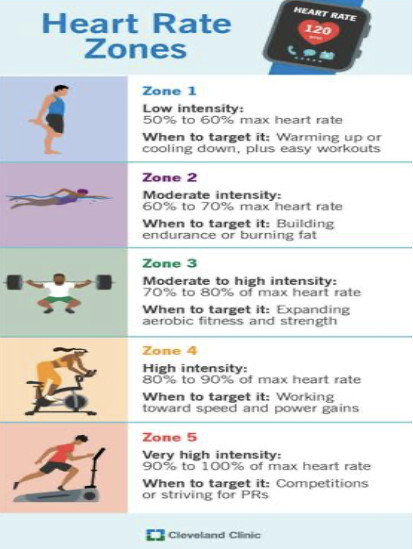
Pace: Light to moderate (Zone 2)
Breathing slightly elevated
You can still talk in full sentences
Heart Rate Goal: ~70-80% of max
Typically around 120-135 bpm for most adults
Terrain: Flat ground is ideal
Focus on: Relaxed arm swing and smooth, natural stride
Nasal or nose-mouth breathing
Logging how hard the walk felt (rate of perceived exertion) and your heart rate afterward. This phase isn’t about fitness, it’s about restoring trust in movement.
Weeks 3-4: Build Volume & Confidence
Now we gently expand how much your spine can tolerate.
Frequency: 5-6 days per week
Duration: 25-35 minutes per session
Pace: Moderate, still Zone 2
Sustainable
You should not feel breathless
Add: 1 longer walk per week Example: 40+ minutes
Emphasize:
Steady pace and rhythm
Natural trunk rotation with arm swing
Keeping heart rate steady with minimal spikes
This phase improves circulation, endurance, and coordination, all of which matter for spinal health.
Weeks 5-6: Build Capacity
Now the goal is to build real resilience.
Frequency: 6-7 days per week
Duration: 30-45 minutes per session
Optional: 1 day of light “tempo” intervals
Example:
4 x 5-minute brisk walks (still Zone 2)
2-minute easy recovery between
Track progress by:
Total weekly Zone 2 time
Goal: 150-300 minutes per week
Improved pace at the same heart rate
At this point, walking isn’t just helping your pain…it’s making your spine stronger!
What is Zone 2? (And Why It Matters)
Zone 2 gets overcomplicated, so let’s simplify it.
Zone 2 = a pace you can sustain while still breathing a little harder, but not struggling.
A good rule of thumb:
You can speak in full sentences
You’re warm and slightly sweaty
You feel like you could keep going
Why Zone 2 matters for back pain:
Improves blood flow to spinal tissues
Supports disc nutrition and joint health
Regulates the nervous system
Builds endurance without irritation symptoms
If pain is a “volume knob” in your nervous system, Zone 2 helps turn it down.
Why Walking is Medicine for Your Spine
Walking works because it addresses the real drivers of back pain, not just symptoms.
Walking:
Gently loads the spine in a rhythmic, repetitive way
Promotes natural spinal rotation and coordination
Improves circulation to muscles, joints, and discs
Calms a sensitized nervous system
Builds confidence in movement
Your spine doesn’t heal by being protected forever.
It heals by being loaded appropriately.
Walking provides just enough stimulus to tell your brain:
“This movement is safe.:
And this message can be incredibly powerful.
When Walking Isn’t Enough (And What to Do Next)
Walking is foundational, but it’s not the full solution.
If you:
Plateau
Still feel limited in daily activities
Avoid certain movements out of fear
Want to return to lifting, running or sport
That’s where individualized rehab and strength work come in.
Ready for a Plan Built Around You?
If you’re dealing with back pain and aren’t sure:
How much walking is right for you
Whether you’re pushing too hard or not enough
What to add after walking
We can help.
Book a free discovery visit here and we’ll map out the next step: no pressure, no guesswork.
Walking can start your recovery
The right plan finishes it.

Dr. Cameron Whitehead
Contact Me